UPR
Our Four-Pillar Sustainability Pledge
Our UPR sustainability pledge is built around four connected pillars: Recycle, Biodegrade/Compost, Net Zero Energy and Educate.
Explore the four pillarsWhy UPR
At Polydime we see things differently.
Plastic is part of modern life. The challenge is not simply to eliminate plastic, it is to change how plastic is produced, used, recovered and managed at the end of its life. In the early 1960s, when Sten Gustaf Thulin, the inventor of the plastic bag, first engineered it, he never designed it to be used and disposed of, but to be reused multiple times.
Together, these pillars guide our approach to reducing plastic waste, increasing the use of recycled and bio-based materials, supporting more responsible production, and encouraging better understanding of plastic, its role in a circular economy and its correct disposal.
Our pledge
Our Four-Pillar Pledge for a More Sustainable Future
A sustainability strategy built on four pillars
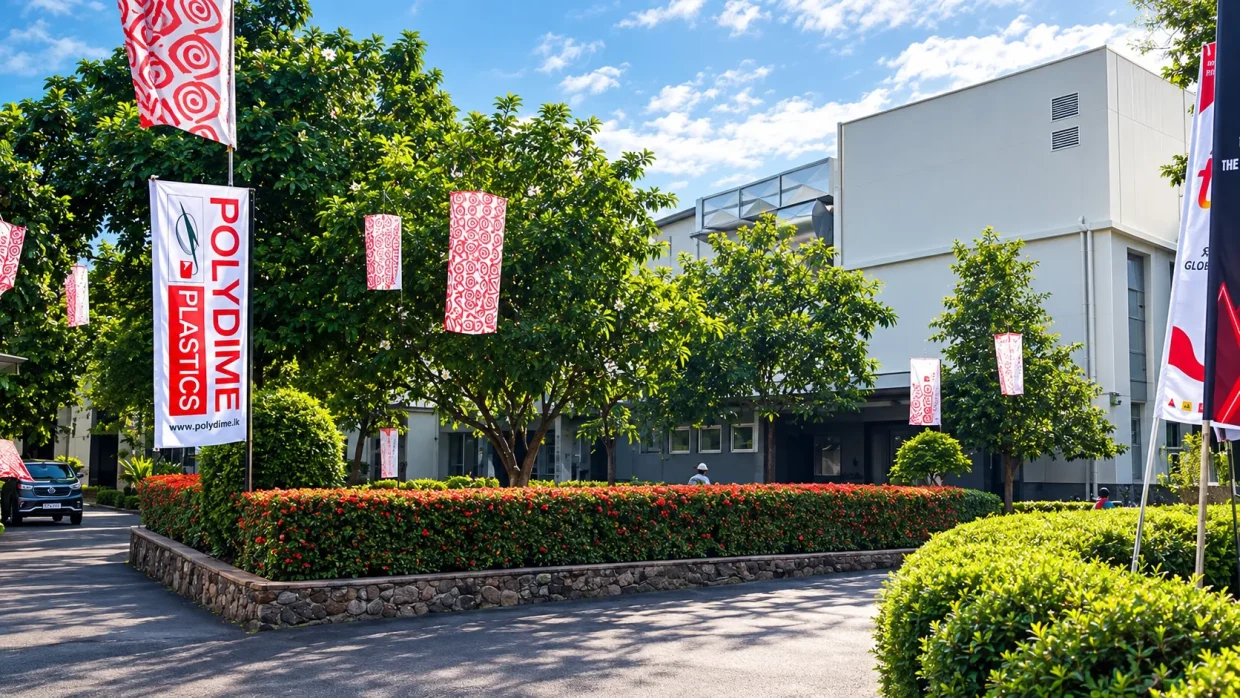
Polydime has been a manufacturer of plastic products for over two decades. In the past its focus was on supporting local industry and export markets through practical, durable plastic solutions.
Our ambition
Almost
50%
Almost 50% of Group output targeted from recycled and bio-based plastics leads to clear circular systems in plastic use.
We continue to strive towards increasing the proportion of recycled and bio-based plastics used across our output, supporting a transition from a linear make, use, dispose model towards a more circular plastics economy.
Our goal is to reduce the environmental impact of plastic film through better materials, responsible production, resource recovery and education, while continuing to develop solutions for local and global markets in line with EPR, PPWR and other laws that are gathering momentum globally.
01 Recycle
Turning Plastic Waste into a Resource
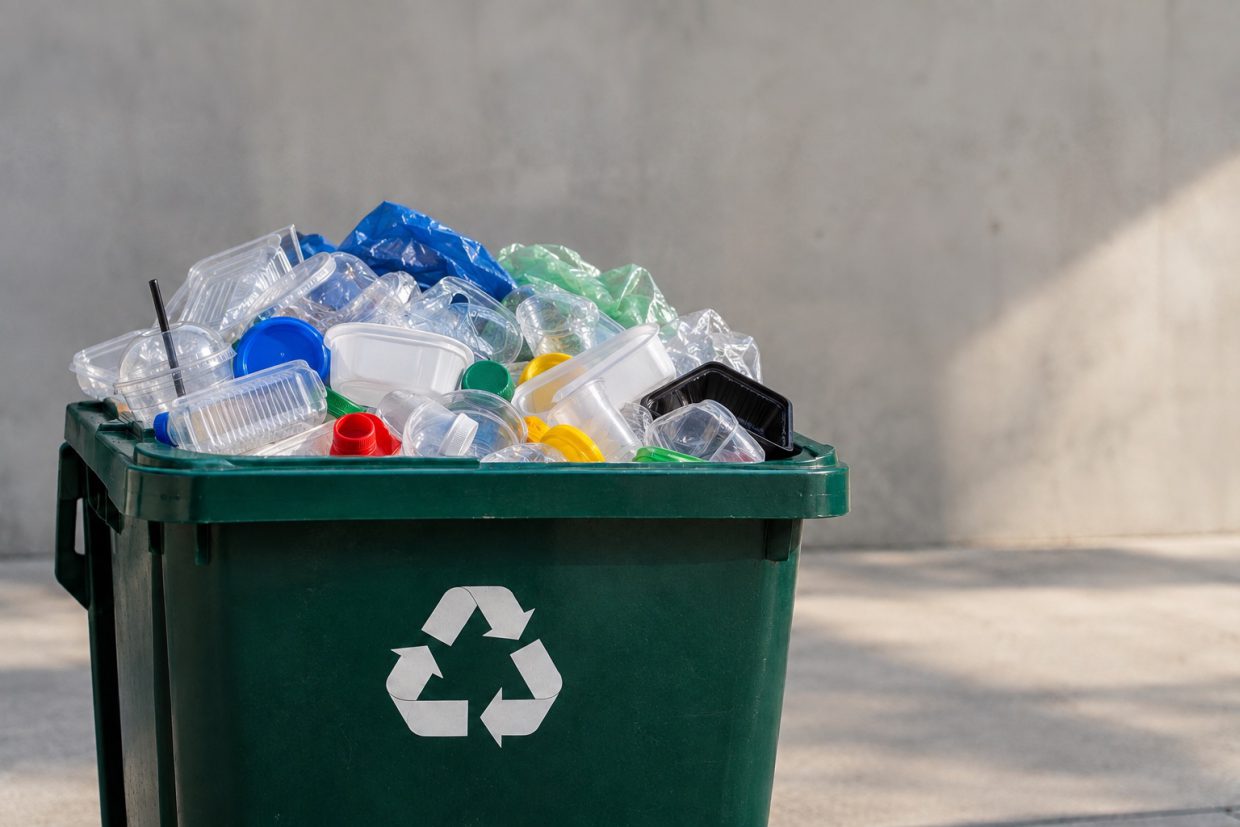
Recycling is at the heart of our approach to creating a more circular plastics economy.
We manufacture a range of products incorporating recycled plastic, helping give previously used plastic a new life instead of allowing it to become waste.
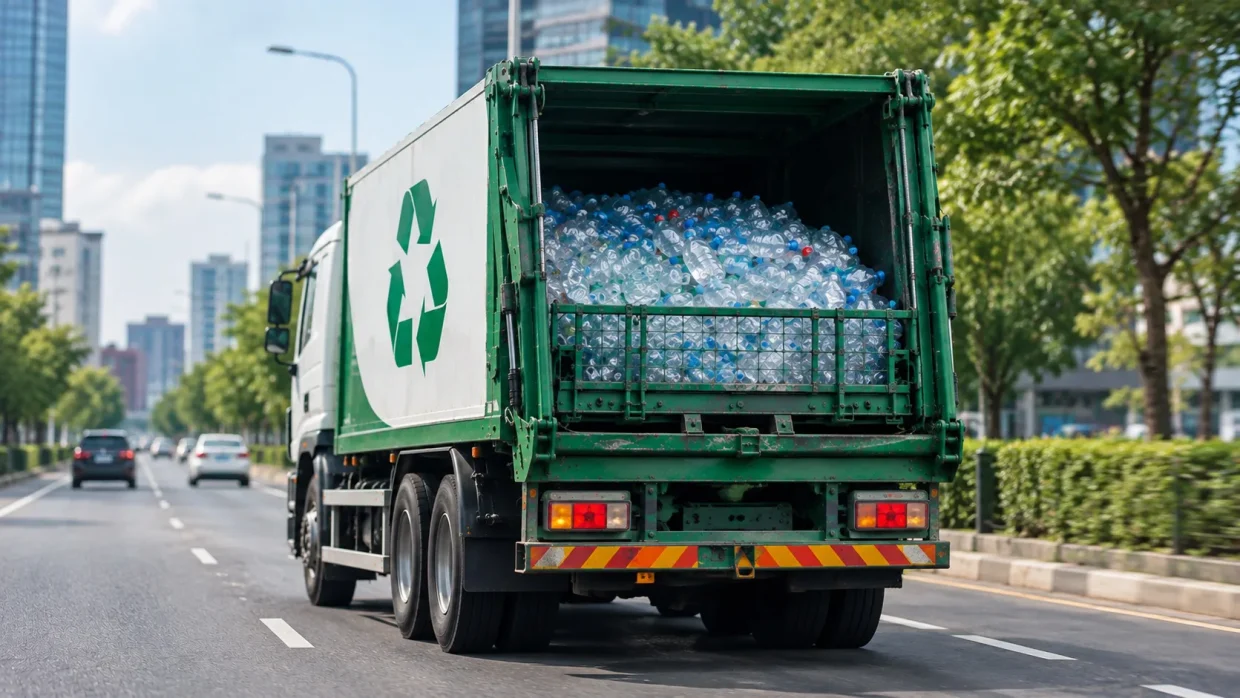
Approximately 40% of our product is currently made from recycled plastic, while our wider supply chain encompasses the collection and processing of plastic waste, manufacture of finished products and distribution of recycled-material products to local and export markets.
This integrated approach allows us to support material recovery at a larger scale, giving us visibility and control over the entire plastic value chain, from waste collection and material recovery through to manufacturing and the delivery of recycled plastic products.
02 Biodegradable Products
When Plastic Alternatives Need to Return to Nature
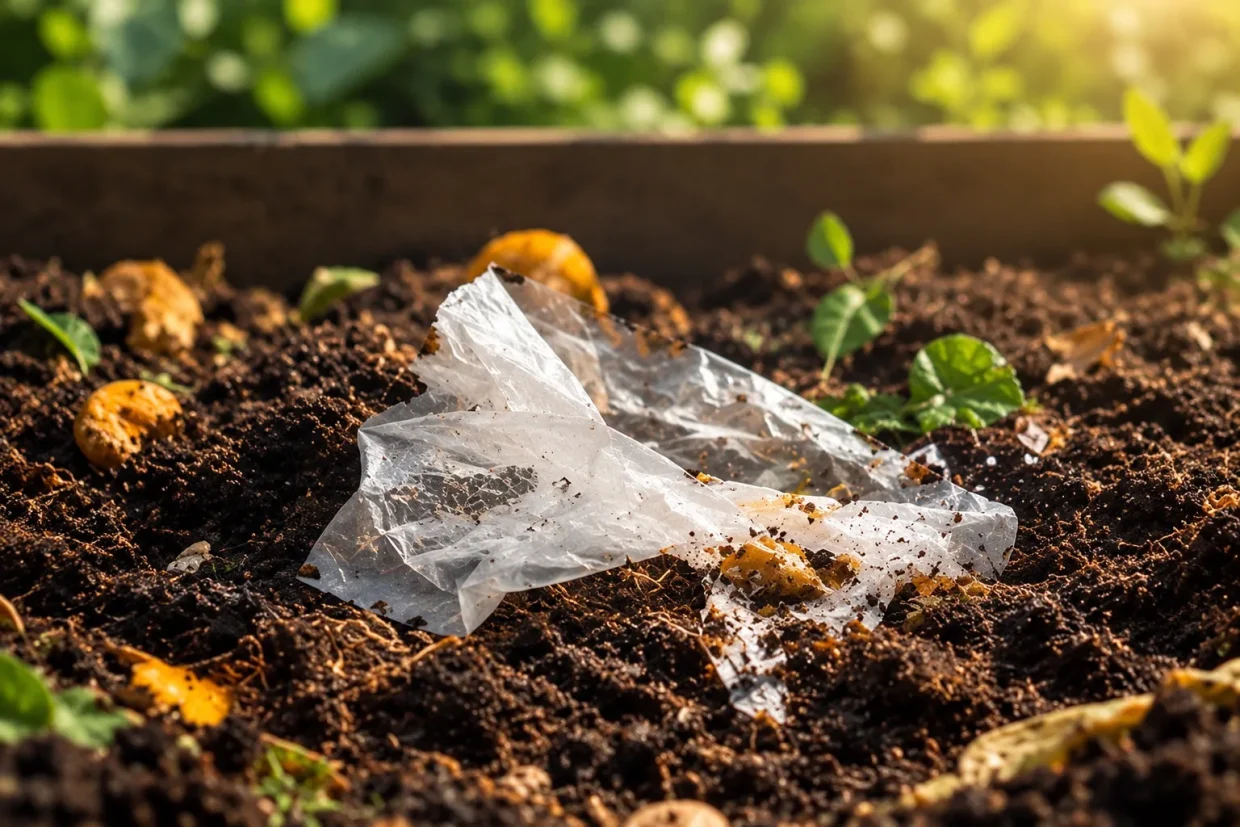
Not every application can be addressed through conventional recycling. For selected applications, we provide starch-based, 100% biodegradable and compostable products designed to break down naturally at the end of their useful life under appropriate conditions.
These alternatives provide customers with options where reducing persistent plastic waste is particularly important.
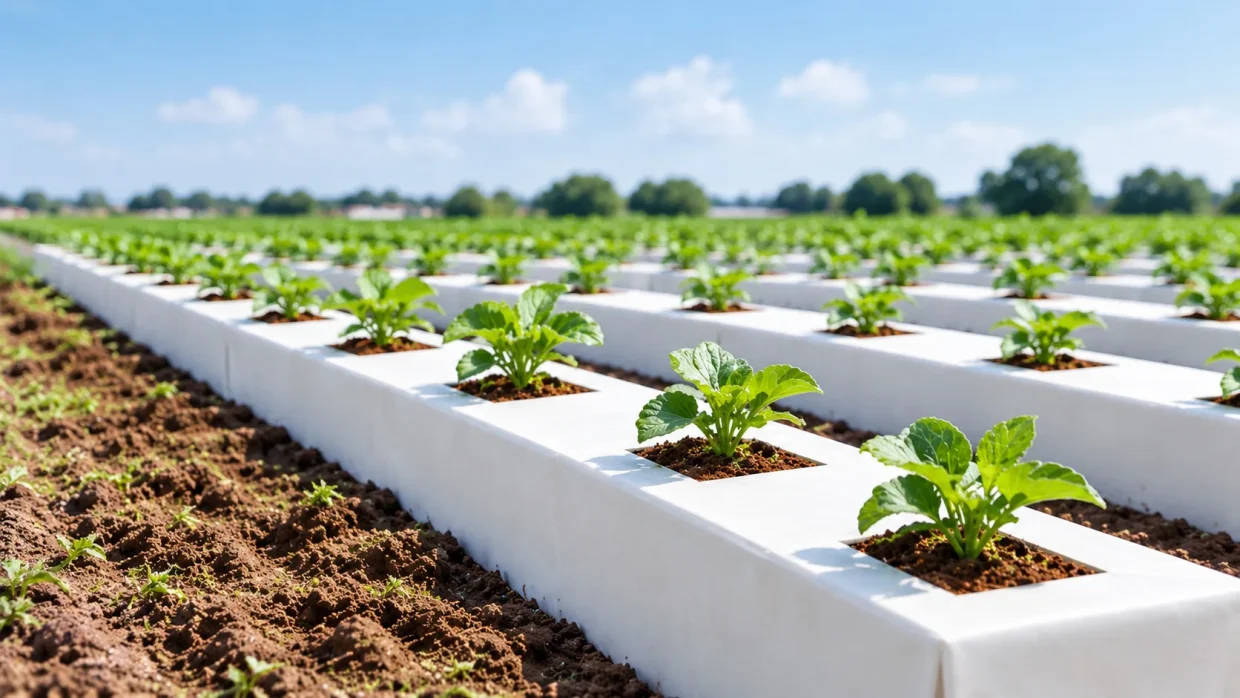
Our biodegradable product range includes applications such as grow bags, lunch sheets, seedling bags and mulch film, helping businesses and consumers explore alternatives designed with end-of-life considerations in mind.
We continue to develop bio-based solutions that can support more responsible consumption without compromising the practical requirements of everyday products.
Better materials. Better choices.
Where plastic must be replaced, it should be replaced with something that returns to nature.
03 Net Zero Energy
Moving Manufacturing Towards Renewable Energy
Sustainability does not stop at the raw material. How a product is made matters too.
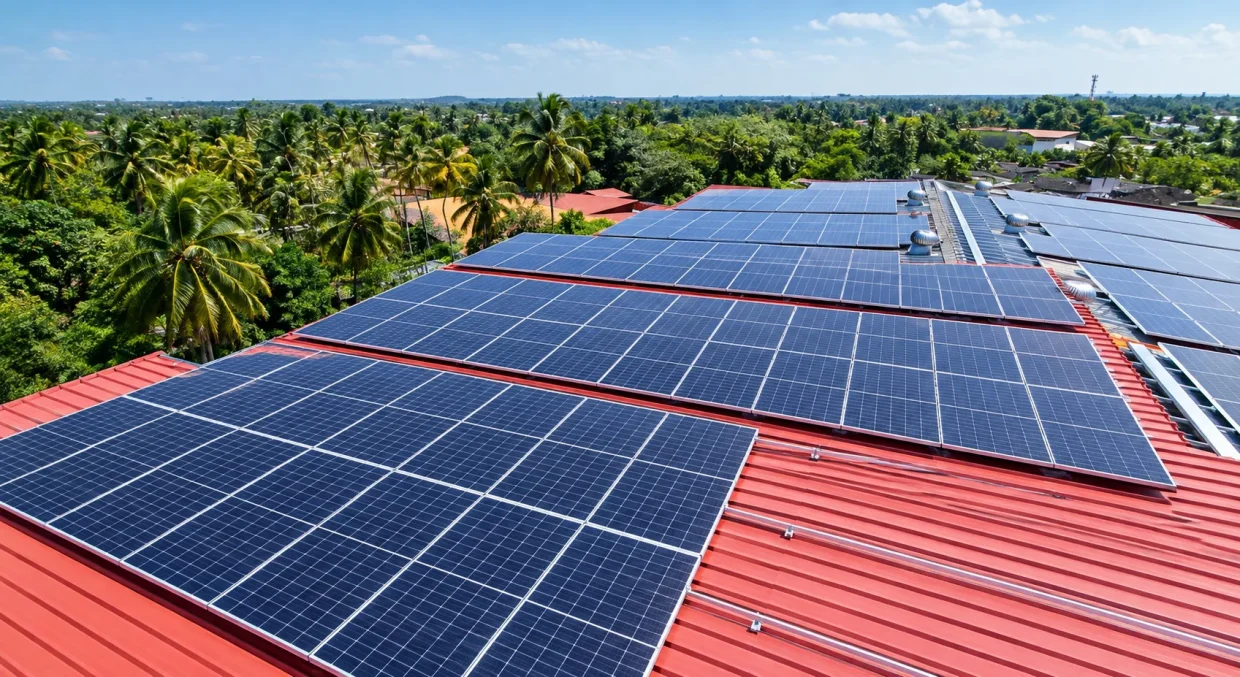
We are working to reduce the environmental impact of our manufacturing by increasing the use of renewable energy across our operations, lowering the carbon footprint of the products we make.
Energy drawn from the grid still carries a significant carbon cost, so shifting production towards renewable sources is one of the most direct ways to reduce the impact of what we manufacture.
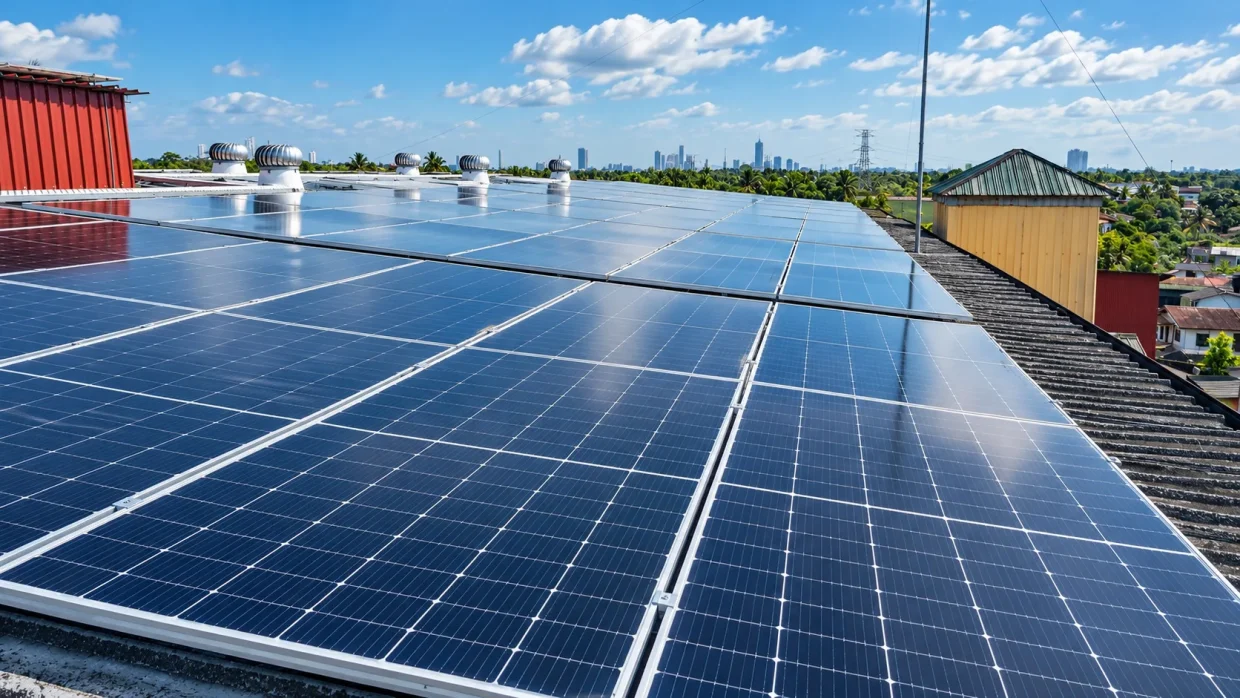
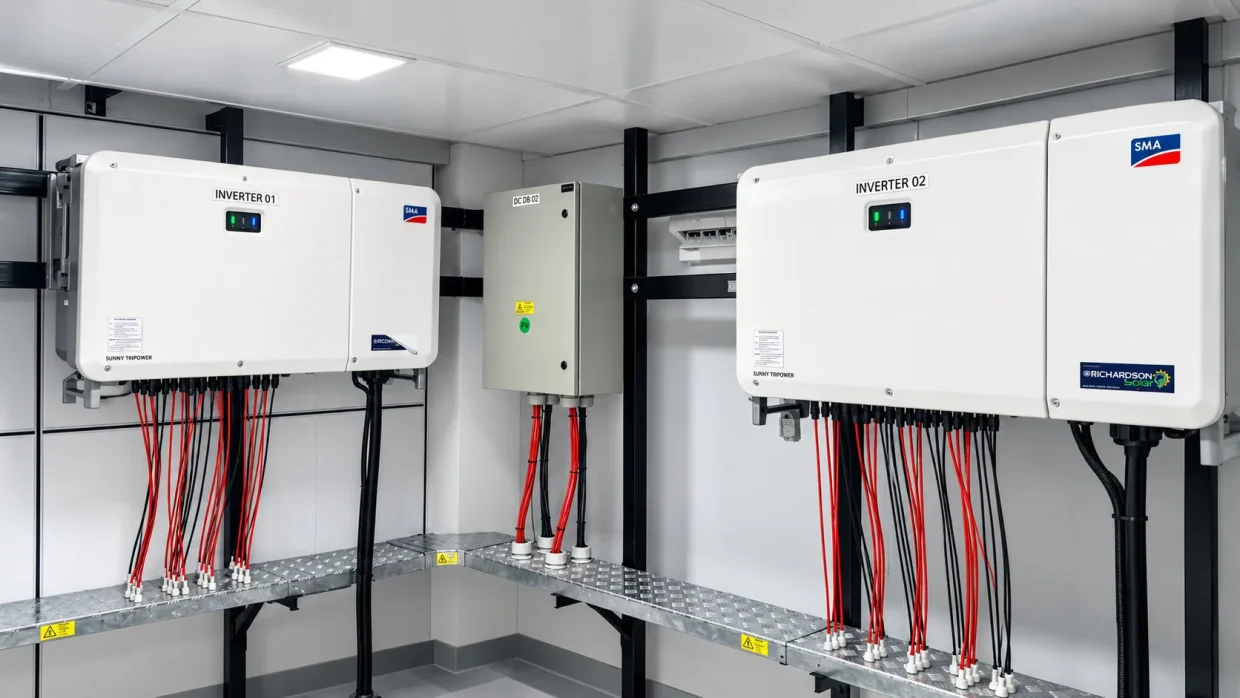
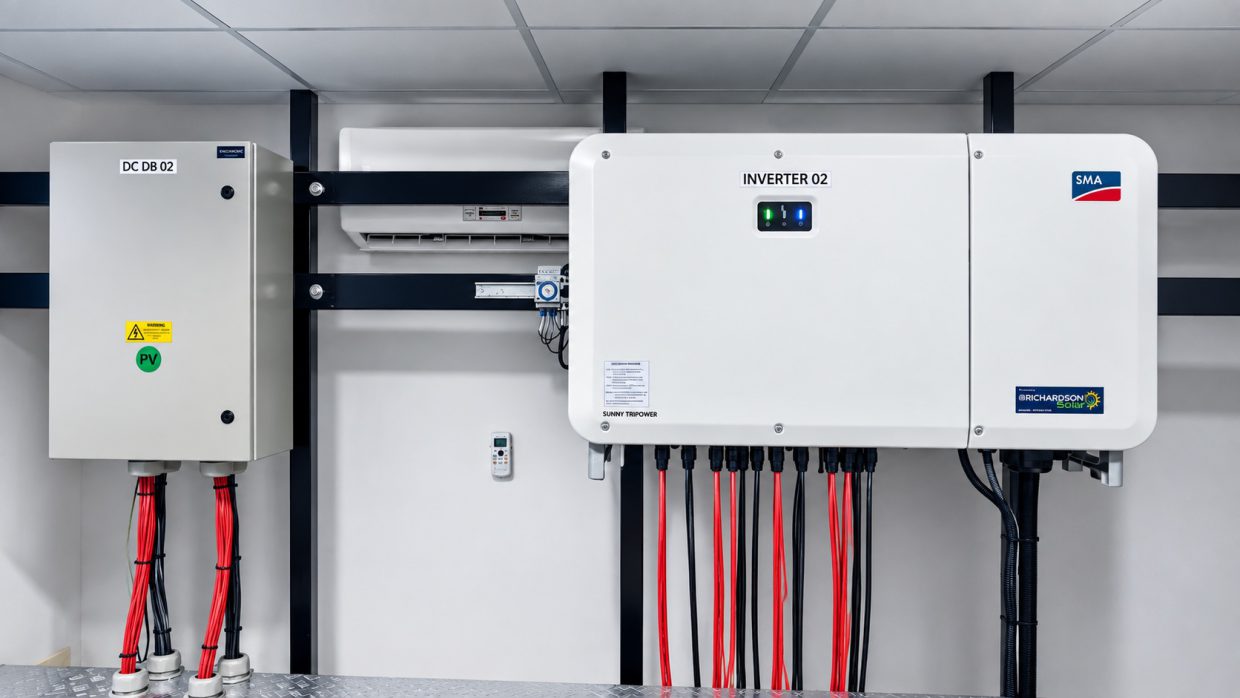
Polydime is certified by Control Union as the first Net Zero Energy product manufacturer in Sri Lanka, with products manufactured fully on solar-based energy.
Certified by Control Union as the first Net Zero Energy product manufacturer in Sri Lanka.
Sustainability doesn’t stop at the raw material.
How a product is made matters too.
04 Educate
Changing the Conversation Around Plastic
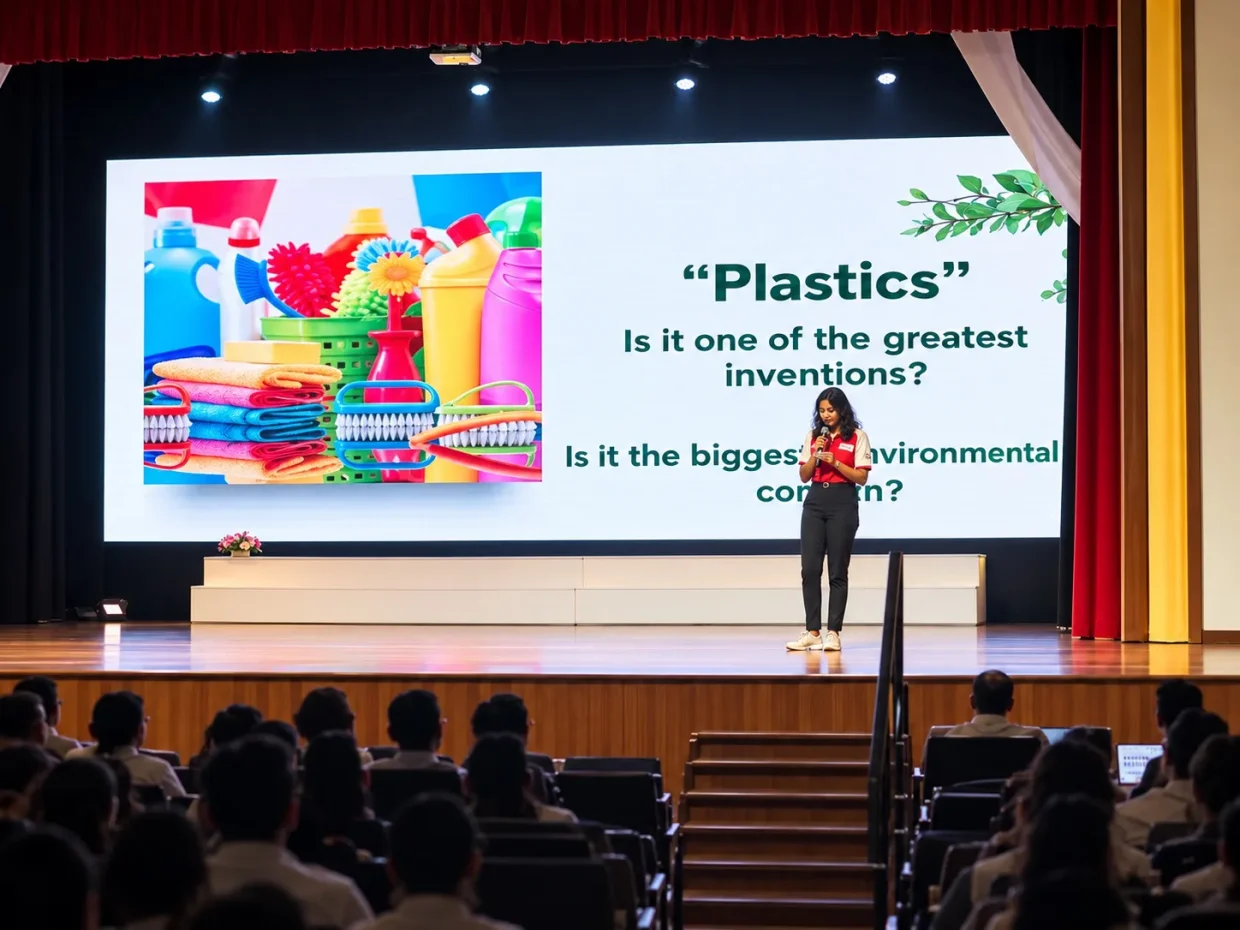
Sustainability is not only a manufacturing challenge. It is an education challenge.
Better outcomes depend on people understanding how plastic should be used, collected, separated, recycled and disposed of responsibly.
Through education and awareness, we aim to encourage more informed conversations about plastic, including its benefits, limitations and environmental impact.
Plastic itself is not automatically an environmental hazard. How it is designed, used, managed and disposed of determines what happens next.
We believe that creating a more sustainable future requires collaboration across manufacturers, businesses, consumers, communities and policymakers.
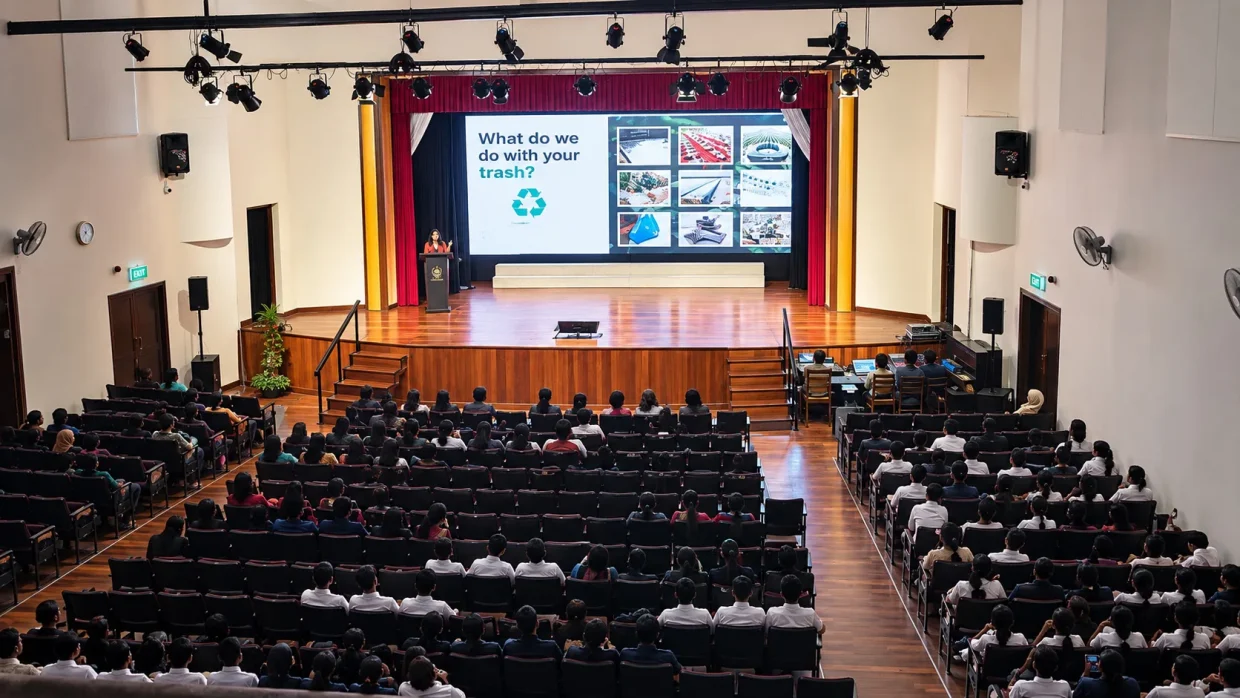
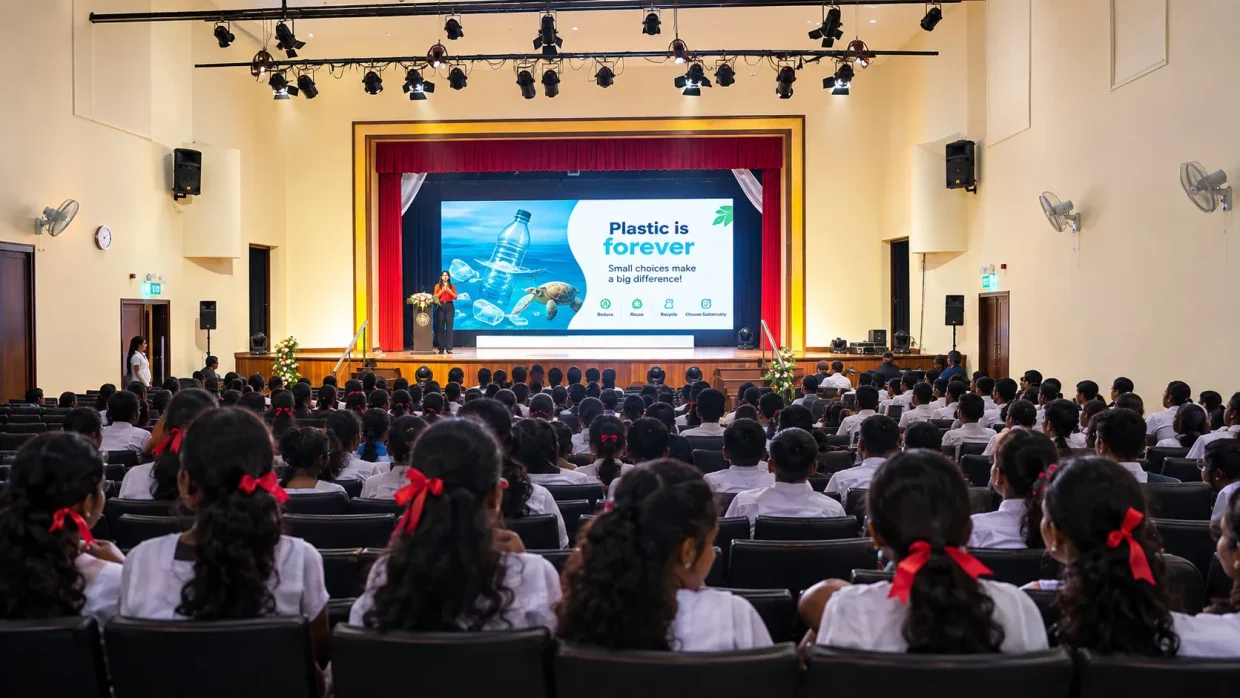
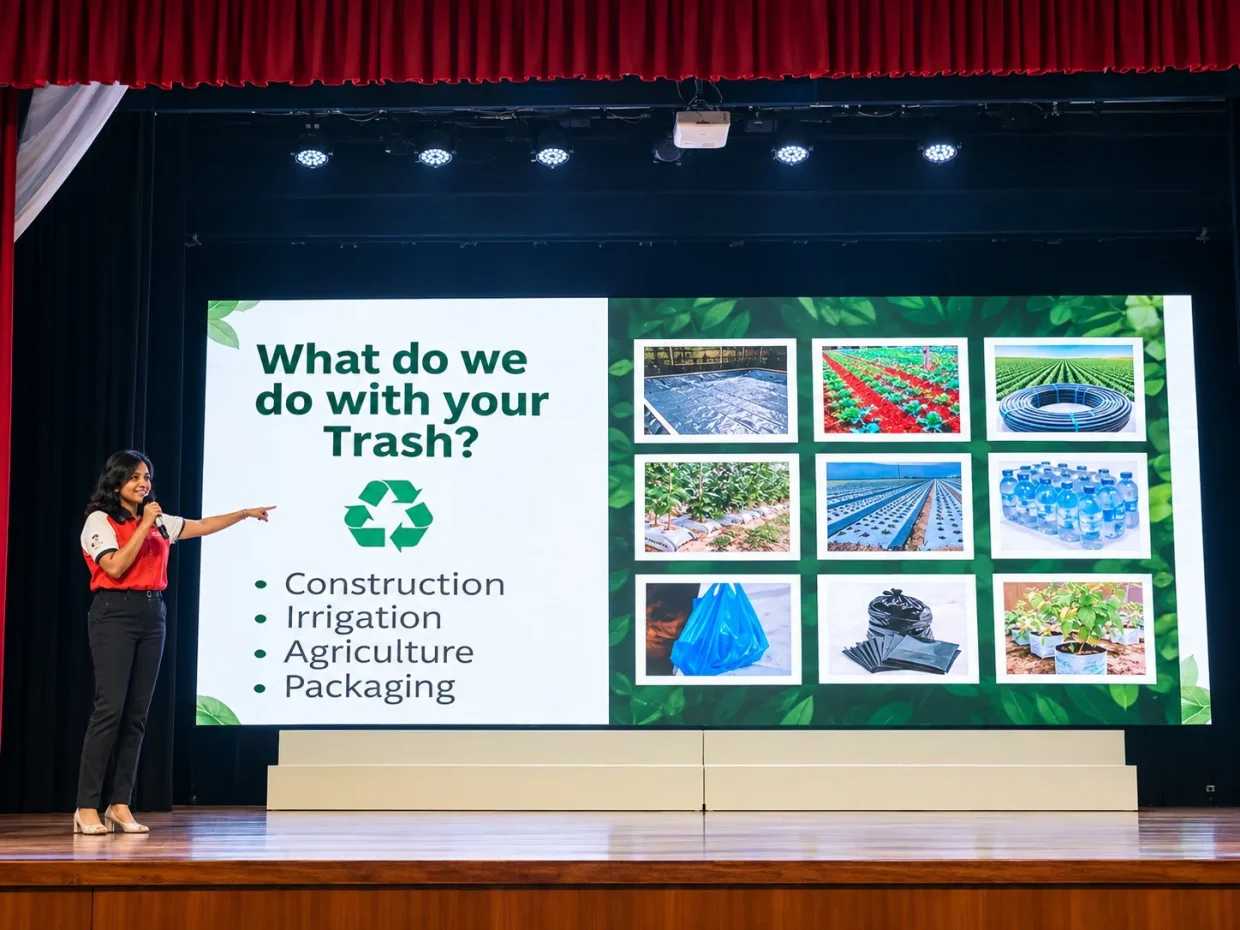
We invest in children aged 4 to 14 through school environmental programmes, where our message is very clear: plastic is a fabulous product, but you need to make sure it is disposed of responsibly, in a bin. Simply that.
That means moving beyond simply saying “plastic is bad” and towards a more useful question:
What happens to plastic after we use it?
Our education pillar aims to help answer that question and encourage more responsible behaviour throughout the plastic lifecycle.
Our pledge
Four Pillars. One Direction.
- 01 Recycle what we can.
- 02 Choose better materials where we can.
- 03 Reduce the energy impact of production.
- 04 Educate people to manage plastic responsibly.
Our four-pillar strategy brings these commitments together under one ambition:
To reduce, and ultimately help eliminate, plastic film pollution in Sri Lanka.
We know that no single product, technology or organisation can solve the plastics challenge alone.
But by changing what we make, what we make it from, how we make it and what happens after use, we can help to build a more circular and responsible plastics industry.
We invite customers, partners and communities to be part of that change.
Join Us