
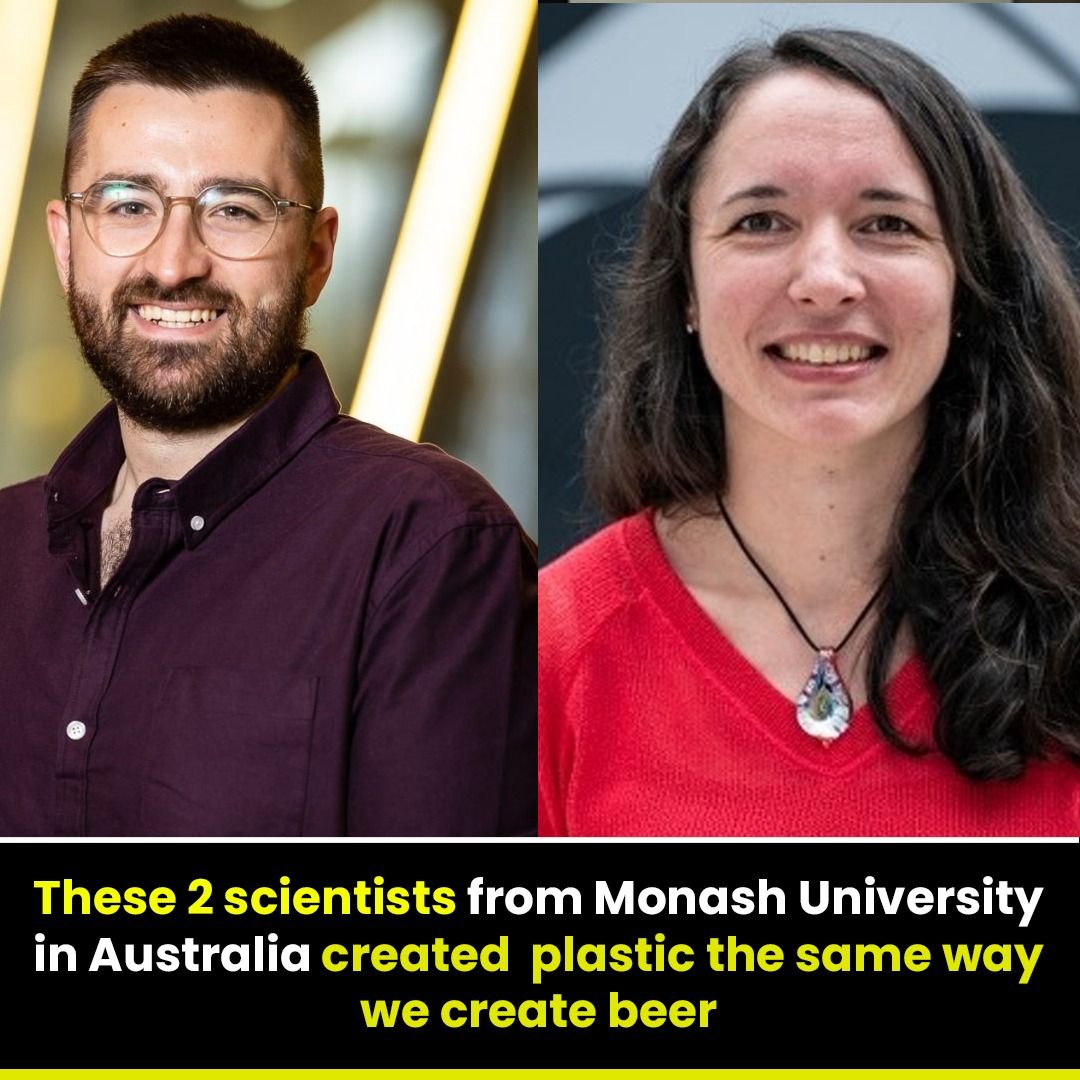
Researchers at Monash University in Australia have made plastic by fermentation — the same process behind bread and beer. Food waste is fed to soil bacteria, and the microbes produce the polymer themselves.
The work, led by Edward Attenborough and Dr Leonie van ’t Hag, turns kitchen waste into PHA: a bioplastic film that looks and handles like conventional plastic, and that can break down when composted under the right conditions.
It is a genuinely elegant piece of science, and we hope it scales.
It is also not the first
Reports over the past several years have described plastics made from corn and algae at MIT, biodegradable materials from dairy and food waste at UC Davis, and bioplastic produced using insects by Infiniti in India.
Every few years another version of sustainable plastic arrives, and is rightly celebrated. The question that follows it is always the same one.
How sustainable is it, really?
Compostable plastic does not disappear on its own. It needs the right temperature, the right microbes and correct segregation in order to degrade at all.
Put it in a drain or a landfill and it will sit there for years, wearing an eco-friendly label the whole time.
That is not an argument against the material. It is an argument about what has to exist around it.
The material is the easy part
This is the same point we make about every substitution, including the ones that favour us: a material only performs as advertised inside a system that can actually handle it. Collection, segregation and processing are what turn a compostable film into compost rather than litter.
Until those systems are built, better chemistry mostly produces better-labelled waste. The innovation deserves the attention. So does the infrastructure it depends on.